Bullying Discrimination and sexual harassment

Bullying, Discrimination and Sexual Harassment

Negative workplace behaviours, like bullying, discrimination, and harassment, can erode team trust, impact staff well-being, and compromise patient safety. Practices with respectful, inclusive cultures experience better morale, team cohesion, and patient outcomes.

What is the goal of GPSA’s Guide Navigating Bullying, Discrimination and Sexual Harrassment?

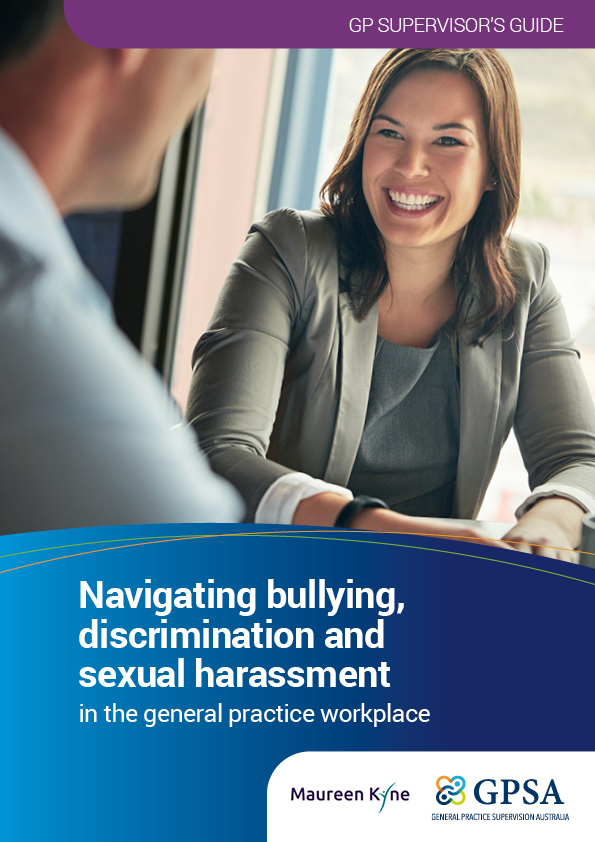
This guide supports general practice teams in identifying and addressing bullying, discrimination, and sexual harassment in the workplace.

It helps clarify the difference between inappropriate and unlawful behaviour, explains relevant laws (like the Respect@Work legislation), and provides practical tools and resources for prevention and response.

The guide is structured into four sections:

  1. Introduction to the topic – Definitions, Cultural Sensitivity, Professional Standards and Conduct
  2. Identifying inappropriate and unlawful behaviour – Sexual harassment, recognising workplace bullying and harassment, reasonable work instruction, discrimination and vilification, diversity and inclusion, upward bullying
  3. Managing inappropriate and unlawful behaviour – Prevention and response, ensuring a psychologically safe workplace, legal framework, taking action, investigation
  4. Tools and resources – Checklists, reporting pathways, and support materials
  • Inappropriate behaviour: Undermines workplace culture but may not breach the law (e.g., exclusion, gossip).
  • Unlawful behaviour: Breaches legal protections (e.g., sexual harassment, racial vilification).

The guide outlines both, including legal obligations and practical responses.

Bullying: Repeated, unreasonable behaviour that creates a risk to health and safety.

Harassment: Unwanted conduct based on protected characteristics (can be one-off) that undermines, offends or humiliates.

Look for:

  • Direct actions: Yelling, intimidation, physical contact.
  • Indirect actions: Microaggressions, exclusion, demeaning jokes.

Examples in the guide help illustrate these behaviours and their potential impact.

Subtle but damaging behaviours that can go unnoticed, such as:

  • Gossiping
  • Exclusion
  • Intimidation
  • Undermining others

These behaviours often signal deeper issues and require proactive, attentive leadership.

  • Frequent sick leave
  • Withdrawal or disengagement
  • Anxiety or performance decline
  • Speak up (if safe)
  • Support the affected person
  • Report the behaviour through formal channels
  • Document what you observe
  • Policy and reporting checklists
  • Self-assessment for leaders
  • Webinars, online training, and legal references
  • Contact pathways for support services
  • Model respectful conduct
  • Offer regular training
  • Promote open communication
  • Review and update policies
  • Establish confidential reporting options
  • Culture affects everything, from team morale to recruitment.
  • A culture of safety and respect encourages inclusivity, open dialogue, and early intervention.

When staff undermine or intimidate those in leadership (e.g., ignoring instructions, disrupting meetings and team culture, resisting accountability).

Effective responses include:

  • Include upward bullying in conduct policies
  • Discussing it openly
  • Providing leadership coaching and support
  • Encouraging bystander intervention and HR follow-up

Under positive duty laws, everyone must act when witnessing misconduct.
Intervening:

  • Promotes safety
  • Prevents escalation
  • Reinforces accountability
  • Diversity: Who is represented.
  • Inclusion: Who feels valued and heard.
  • Intersectionality: How overlapping identities shape someone’s experience.

Inclusive practices reduce the risk of exclusion, bias, and conflict.

Inciting hatred or contempt based on race, religion, or ethnicity.

  • It is unlawful and severely damages workplace culture.

No.

Asking about past trauma is not permitted under privacy laws and may re-traumatise the individual.
Instead, use scenario-based questions to assess values, teamwork, and communication skills.

  • Capability issue: The person can’t meet job expectations despite effort.
  • Behavioural issue: The person acts inappropriately regardless of skill.

Each requires different approaches.

No: if done, respectfully, and in line with documented expectations.

Bullying involves intent to harm or intimidate.

  • Call it out respectfully
  • Reinforce expectations
  • Include behavioural standards in induction and training

Self-aware individuals:

  • Recognise their triggers
  • Adjust communication styles
  • Respond constructively
  • Leaders with emotional intelligence foster healthier teams.
  1. Acknowledge the issue
  2. Gather factual evidence
  3. Respond promptly and professionally
  4. Review processes to prevent recurrence

To create a psychologically safe, respectful and inclusive workplace where:

  • Everyone feels safe, and heard
  • Issues are addressed early and appropriately
  • Values are lived, not just listed

GPSA has developed this content in collaboration with subject matter expert Maureen Kyne.

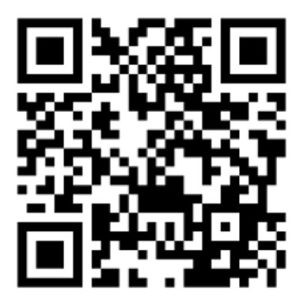
Click here or use the QR code for more information.
Date reviewed: 03 October 2025

Please note that while reasonable care is taken to provide accurate information at the time of creation, we frequently update content and links as needed. If you identify any inconsistencies or broken links, please let us know by email.
This website uses cookies. Read our privacy policy.
Bullying Discrimination and sexual harassment

Guide: Navigating bullying, discrimination and sexual harassment in the general practice workplace

This guide provides clear, practical advice for addressing inappropriate workplace behaviour in general practice, in line with the Respect@Work legislation taking effect in 2025. It covers identifying bullying—including upward bullying—clarifying responsibilities in enforcing zero-tolerance policies, and managing performance within a respectful and lawful framework.

Date reviewed: 23 October 2025

Please note that while reasonable care is taken to provide accurate information at the time of creation, we frequently update content and links as needed. If you identify any inconsistencies or broken links, please let us know by email.

This website uses cookies. Read our privacy policy.
Bullying Discrimination and sexual harassment

Form: Incident Reporting

The GPSA Incident Reporting Form allows users to confidentially report bullying and harassment in the workplace, promoting a safer work environment. 

Click here to read a guide on how to complete the form

For convenience, you can read through this resource here, or use the pdf tools at the top of the document to download and / or print the file.

Please click here for a word version of this document.

Date reviewed: 20 October 2025

Please note that while reasonable care is taken to provide accurate information at the time of creation, we frequently update content and links as needed. If you identify any inconsistencies or broken links, please let us know by email.

This website uses cookies. Read our privacy policy.
Bullying Discrimination and sexual harassment

Guide: Bullying and Harassment in General Practice

This guide aims to provide a clear framework for tackling bullying and harassment in general practice settings. By fostering a culture of zero tolerance, it promotes healthier work environments and supports staff well-being.

For convenience, you can read through this resource here, or use the pdf tools at the top of the document to download and / or print the file.

Date reviewed: 03 October 2025

Please note that while reasonable care is taken to provide accurate information at the time of creation, we frequently update content and links as needed. If you identify any inconsistencies or broken links, please let us know by email.

This website uses cookies. Read our privacy policy.
Bullying Discrimination and sexual harassment

Bullying and Harassment

Training Practices which implement zero tolerance policies for bullying and harassment are happy places to work. Despite workplace bullying, harassment and discrimination being unacceptable and illegal, it occurs in all sectors of the Australian workforce, including general practice. The consequence of this behaviour can derail a victim’s professional and personal life, impact on their health, lead to legal action, and compromise patient safety. We all, cleaner through to practice principal, have a responsibility to adopt a zero tolerance approach to bullying and harassment.

This page contains a list of relevant resources relevant to your state or Territory, as well as resources offered by GPSA. Below is a list of safe work contacts for all states and territories, along with links to posters that are mandatory to display in the workplace in each jurisdiction, if required.

GPSA Workplace Discrimination, Bullying and Harassment Policy

This template, used by GPSA, will help you create your own workplace discrimination and harassment policy. It covers topics relevant to the following Federal laws:

  • Sex Discrimination Act 1984 (Cth)
  • Racial Discrimination Act 1975 (Cth)
  • Disability Discrimination Act 1992 (Cth)
  • Age Discrimination Act 2004 (Cth)
  • Australian Human Rights Commission Act 1986 (Cth).

Other Federal and state/territory laws may also apply to your workplace.

Download PDF

Contacts

WorkSafe ACT can provide advice and help if you are experiencing workplace bullying.

Call 13 22 81 or visit the website here.

SafeWork NSW can provide advice and help if you are experiencing workplace bullying.

Call 13 10 50 or  visit the website here.
Workplace poster download

NT Worksafe can provide advice and help if you are experiencing workplace bullying.

Call 1800 019 115 or visit the website here.

Workplace poster download

SafeWork SA can provide advice and help if you are experiencing workplace bullying.

Call 1300 365 255. 

Visit the website here.

Worksafe Tasmania can provide advice and help if you are experiencing workplace bullying.

Call 1300 366 322.

Visit the website here.

Workplace poster download

Worksafe Victoria can provide advice and help if you are experiencing workplace bullying.

Call 1800 136 089 or Visit the website here.

Workplace poster download

WorkSafe Queensland can provide advice and help if you are experiencing workplace bullying.

You can call 1300 362 128 or visit the website here.
Workplace poster download

WorkSafe WA can provide advice and help if you are experiencing workplace bullying.

Call 1300 307 877 or visit the website here.
Workplace poster download

Resources

Date reviewed: 14 November 2025

Please note that while reasonable care is taken to provide accurate information at the time of creation, we frequently update content and links as needed. If you identify any inconsistencies or broken links, please let us know by email.

This website uses cookies. Read our privacy policy.
Bullying Discrimination and sexual harassment

Workplace Discrimination, Bullying and Harassment Policy

GPSA is committed to providing a safe, flexible and respectful environment for staff and stakeholders free from all forms of discrimination, bullying and sexual harassment.  Check out GPSA’s Workplace Bullying, Discrimination and Harassment Policy.

Training practices which implement zero tolerance policies for bully and harassment are happy places to work. If you need a policy for your own practice, or an updated policy read on.

Workplace discrimination, bullying and harassment policy template

This template will help you create your own workplace discrimination and harassment policy. It covers topics relevant to the following Federal laws:

Sex Discrimination Act 1984 (Cth)
Racial Discrimination Act 1975 (Cth)
Disability Discrimination Act 1992 (Cth)
Age Discrimination Act 2004 (Cth)
Australian Human Rights Commission Act 1986 (Cth).

Other Federal and state/territory laws may also apply to your workplace.

CLICK HERE to view more information and download a copy of the template.

For further information on bullying and harassment in the workplace, download a copy of GPSA’s guide Bullying and Harassment: Pursuing Zero Tolerance in General  Practice.  The guide explains how to recognise and manage this behaviour, fostering a healthy work culture which benefits staff and patient care.  Use the Guide as a tearoom, team building and induction resource to complement your other educational activities.

Date reviewed: 14 November 2025

Please note that while reasonable care is taken to provide accurate information at the time of creation, we frequently update content and links as needed. If you identify any inconsistencies or broken links, please let us know by email.

This website uses cookies. Read our privacy policy.