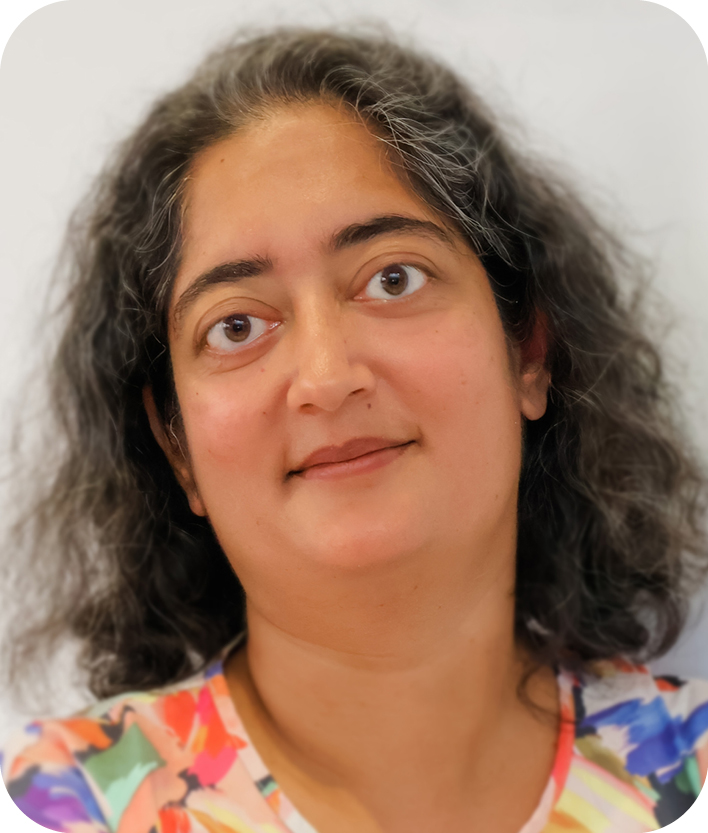
For me, this year started with a long-awaited trip to see my family, visit my roots, and reflect on my early exposure to community physicians in the small town where I was born. This certainly set the tone for me to meet with the new GPSA Board to strategise as we did mid-January – with new ideas and energised minds – about what promises to be an exciting year ahead.
The most recent statistics show an increased interest in vocational GP training, notably with rural generalist positions fully subscribed. This has not been achieved without a lot of hard work, and GPSA is honoured to advocate for the supervisors who remain an integral part of growing this workforce through the quality of the experience they provide, irrespective of where they may be located. January has also seen the recognition of several GPSA members on the Australia Day Honours list. I invite you to join me in congratulating:
This year we hope to build on the existing work that our members do in the community as both GPs and supervisors: community consultants and leaders. As we move towards formal recognition of the rural generalist sub-specialty, it is worth considering the role of the supervisor in general practice through the RG lens. Supervisors provide the hands-on guidance, teaching, training and management advice that would be provided by Consultants in the hospital context. It is only through our supervision role that a sustainable future GP/RG workforce can be developed; it is our influence over the learning experience that inspires the GPiT to become a GP/RG, and from there, a future supervisor.
In the GPSA pre-budget submission, we seek the value of supervision to be recognised through a more collaborative mindset both within primary care and across potential funding sources. While various solutions are at play to attract medical students and junior doctors to general practice, the ability to capitalise on these initiatives for the long-term benefit of our communities relies on the continued commitment of both existing and future supervision teams. This commitment in turn relies on respect for the critical role our members play, taking the form of an increase in remuneration and prestige, and greater recognition within our wider GP community as well.
In coming months, prevocational exposure to general practice will significantly increase across urban, outer metro and rural regions, with expanded medical student placements soon to follow. While this has the potential to spark the youngest and brightest minds into action as our future colleagues and the problem solvers of the next generation, the success of this opportunity will be commensurate with the level of support and empowerment provided to the training practices and supervisors responsible for cultivating medical students, prevocational doctors and vocational trainees into the autonomous, patient-centred healthcare professionals our communities need. It all starts with recognition.
And this report ends with recognition too – specifically recognising the amazing contribution of one individual known to and responsible for inspiring so many across this sector and beyond. As the first semester of 2024 kicks off, the life and legacy of Prof Dennis Pashen – Founder and Former President of ACRRM; Former President of RDAA; Rural Generalist; Supervisor; passionate supporter and member of GPSA – will be celebrated in a memorial that befits the life work of a premier advocate for community healthcare. May Prof Pashen long be remembered as a driver of change.
Dr Srishti Dutta
Chair
Date reviewed: 15 April 2025
Please note that while reasonable care is taken to provide accurate information at the time of creation, we frequently update content and links as needed. If you identify any inconsistencies or broken links, please let us know by email.
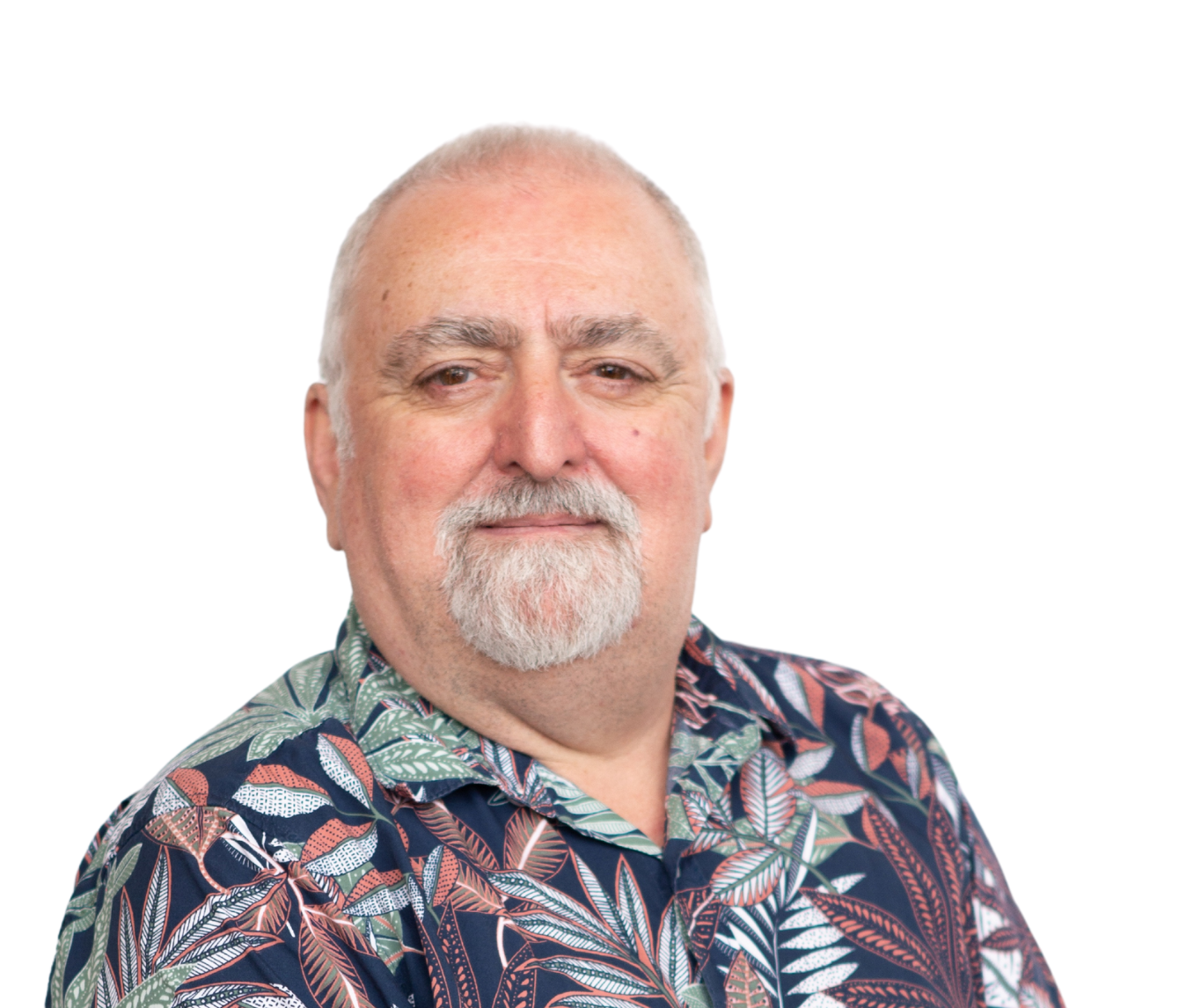
The peak representatives of GP supervision – the Supervisor Liaison Officers (SLOs) – met in Sydney on 8th December 2023. SLOs from all states and the NT participated in this Advisory Council meeting, representing RACGP (AGPT and FSP), ACRRM (AGPT, IP and RGTS) and RVTS. The passion and commitment to GP training was readily palpable and augurs well for the future of GP training if supervisors are appropriately supported. The main issues facing GP Training were discussed in an open and frank meeting with Georgina Van de Water representing RACGP as well as ACRRM’s President Dr Dan Halliday and General Manager of Education Services, Kyra Moss. The key issues identified by SLOs were clearly presented so that there was no question about what was important to GP training and the desired outcomes.
All SLOs were on the same page: we have significant headwinds in GP training, and future health workforce is dependent upon these being clearly addressed to avoid further negative impact to the already perilous state in which we find general practice currently.
The main issues addressed in no particular order were: supervisor support and professional development, bi-College collaboration and interface, registrar caps, Single Employer Model (SEM), the importance of data to drive progress, placement processes , and , specifically for RACGP, the new EASL requirements.
Supervisor professional development (SPD) – which has simultaneously experienced a significant reduction in support and a progressive increase in requirements – runs along the same lines as GP continuing professional development (CPD)… increasing requirements of a profession in a dire situation. The unintended consequences of reduced participation and loss of quality supervisors are readily apparent. There is only so much supervisors can give, and the tank is running on empty.
Placement process and registrar caps – a challenge for everyone but probably more so for registrars with many horror tales out there about practices receiving either unmanageable numbers of applications… or none; and registrars and practices having 1 week to arrange interviews and finalise offers. It is a mixed story across the country, NSW has obviously had the most experience of this process, and it seems to have become a game of ignore the rules or risk not retaining a registrar. Anecdotally, it seems to have failed on the two key metrics of placement in best quality training practices or highest area of need.
SEM – the devil is in the detail. This seems to be a very hot issue with state Health Ministers across the country champing at the bit to get a piece of the action. Terms like “cost neutrality” and “control” of primary care workforce carry a sense of foreboding and beg the questions: who is paying the piper? who is missing out? It cannot be cost neutral when an extra layer of bureaucracy is installed without extra funding. Fortunately, we had some reports from members and SLOs on the nature of contracts being proposed in NSW which really reinforced the view that the devil is in the detail. Please, read the fine print.
RACGP’s Early Assessment for Safety and Learning (EASL) – dramatic increase in demand put on supervisors for a payment of… $Zero. There was reassurance that we do not necessarily need to review every consultation for the full 4 weeks and can make a determination earlier, but no funding for those who do require closer monitoring. I must confess that I am a strong supporter of the concept and many supervisors do undertake this process both as educational and risk management for the practice. Indeed, studies undertaken by Drs Simon Morgan and Gerard Ingham do highlight the number of errors early term GP registrars make, many minor but still a significant number of serious errors. Ideally, in my humble opinion, we should be funded to review all consultations for the first three months of a GPT1 registrar term with time set aside for face-to-face discussion, random case analysis, etc. This would greatly improve competency and patient outcomes especially in the areas of rational investigation and prescribing practices. I would argue that if we did the study and looked at the data it would end up surprisingly cost-effective across the wider health system.
Data is vital in our field, and I think the 2021 GPEx report to which GPSA contributed, “The financial costs and revenue associated with teaching and supervision in general practice”, should be on the Christmas Reading List for all Health Ministers, RACGP and ACRRM Boards.
Speaking of Christmas, I do believe in Santa Claus. I wrote him a letter before Christmas, and to my surprise I actually received the requested gift. I asked that, as GP supervision was fundamentally a charitable service, we should be given DGR status and tax exemption from the ATO. To my surprise, in my stocking on Christmas Day was a letter from the ATO confirming that all payments for GP supervision would become tax free and the repayment would be backdated for 20 years and to please find a refund cheque enclosed!! Then I read the fine print… you have never received any payment whatsoever for supervising GP trainees so enjoy your tax-free status on $Zero income!
I would be happy to pay tax on any income from supervision, which I would argue should come through an MBS item number for every phone call and patient review I (and all supervisors) undertake for our registrars.
GPSA is listening and batting strongly on all these issues for training practices and supervisors; I would ask that you all be forthright and vocal about any perceived challenges and instances of neglect in GP training through the year ahead. Your contribution is not only vital to your patients and communities today, but to the health of all Australians going forward.
Wishing you all a very Happy New Year.
Frank Maldari
Date reviewed: 15 April 2025
Please note that while reasonable care is taken to provide accurate information at the time of creation, we frequently update content and links as needed. If you identify any inconsistencies or broken links, please let us know by email.